As a therapist in Provo Utah, I often work with clients in a faith crisis. They come to me wanting to leave their religion or try to understand what they have been taught through a different lens. One thing I work with them on, inevitably, is letting go of some of the culture (real or perceived) that can accompany religion – the culture of pressure to be perfect or to at least appear so. Working with them to understand how to hold on to what they believe while letting go of certain surface level cultural aspects of living in an area which is highly religiously homogeneous. This can be a difficult task given the pressure to conform and follow.
My suggestions to individuals in these circumstances is to do the following: Differentiate between your religions doctrine and the culture. Most people see these as different. Understanding the difference will help you embrace what you believe and let go of what can be damaging.
Secrets fuel addiction. As I’ve mentioned before in previous posts, addictions, such as pornography addictions, are a shame based experience. This means that when someone uses pornography they feel as if they are a bad person, rather than feeling that they are a good person despite making a mistake. When someone feels shame, they often compartmentalize what they have done – they hid it and separate it from who they think they really are, or, think that that mistake totally defines who they really are.
This is where secrets come into play. Over time, a man (or woman – I’ve worked with both in therapy for pornography issues) who has been using pornography and feeling shame because of it will gather many secrets. He won’t want to tell anyone what he is doing, or won’t want to tell them all that he is doing. He might only present the best parts of himself or just tell enough about his mistakes to others to appease them or to feel like he is being open. But, in fact, he is keeping secrets. These secrets start to bury him and make him feel more shame. They take effort to maintain and keep hidden. They cause him stress and to feel disconnected from others. All of these things can lead to more addictive acting out.
Being transparent is key. This, in part, is why in the 12-step model of recovery (for alcohol, sexual addiction or substance addiction) addicts are asked to write a fearless moral inventory and to share it. Being open with others can feel uncomfortable and embarrassing. Many would say, “It’s in the past – let it stay there” or, “I don’t want to hurt her, so I’m not going to tell her about it”. These mindsets only make things worse for someone using pornography and their spouse/family. Telling others and being transparent is on the path towards recovery.
Pornography counseling offers a venue to be transparent and honest with yourself and with your loved ones. A good therapist will help you through this process in a way that might be painful, but certainly not shameful.
Family therapy is an effective way to deal with problems regarding adolescents, parenting, addiction, depression, anxiety and much more. When a mother and father bring in their 15-year-old son because he is drinking, using drugs, has a bad attitude, is failing out of school and is involved in risky behavior – I ask the parents to participate in counseling with him to be a part of the solution. The relationship between mom and dad, the relationship between mom and son and the relationship between dad and son matter in regard to this young man’s healthy life style choices. As a therapist of adolescents for over a decade now, I have found that more often than not, when success happens for adolescents in therapy it is accompanied with a mom and dad who are involved and willing.
Most adolescents don’t want to do counseling. They often make excuses and say that they don’t want to follow the rules and that f their parents loved them that they wouldn’t give them a curfew. The ironic thing is that children push back against boundaries and rules, but thrive within them. They need them to feel safe and loved. They often test the boundaries to see if mom and dad are there and if they care. Its hard to tell, however, because they say that they don’t want their parents to tell them what to do.
One of the developmental tasks of adolescence is to learn how to become your own individual while still remaining a part of a group (i.e., a family, church or school). It often feels like trying to mix oil and water for teenagers in this position. Learning that they don’t have to do the opposite of what their parents say in order to be independent or their own individual is key. Rather, following the family rules and making choices on their own that are complimentary help them develop their sense of being their own person.
One of the developmental tasks of parenthood is learning how to parent a child differently as they grow. Parenting a 5 year old is different than parenting a 15 year old. I see, however, many parents not making this transition and feeling stuck with their adolescent. They hover over their teenager, for example, in an effort to not let them make mistakes. Its ok for teenagers to make mistakes. Parents don’t have to (and can’t!) protect them from all of life misfortunes. Teenagers need space to make mistakes and have an open relationship with their parents to talk about them.
So, if you are a parent struggling with a teenager remember that changing your parenting style to match their age matters. Engaging in therapy, when needed, can help you and your child become healthy and happy.
 Couples counseling, if done right, is ‘husband friendly’. Most couples come into therapy because the wife seeks help, sets up an appointment and convinces her husband to go with her. He often feels as if he is forced into the session and as if he is the bad guy. He might think that the therapist is going to be on his wife’s side and that together, his wife and the therapist, are going to tell him what he needs to change.
Effective couples counseling couldn’t be further from this scenario. In couple’s therapy, a therapist will see the problem as something the husband and wife can fight together. The problem isn’t the wife and it’s not the husband – it’s the way that they have been going about their relationship. This is something the couple can work on changing without blaming each other. Couples often fall into the trap of thinking that their spouse is to blame for their relationship issues. They believe that if their spouse would just stop (fill in the blank) that they would be happy and have no problems. Thinking this way leads to frustration and disappointment. It takes courage and honesty to look at yourself and what you can change to make your marriage work.
In couples therapy a seasoned therapist will ask questions about the couple’s relationship patterns, not about who’s fault it is that they are there. They will talk about how they are talking with each other, what they are talking about, what they are not talking about, etc. Understanding these relationship patterns is one of the first steps to effective counseling. As soon as the coupe can get on the same team to fight against these unhealthy patterns that they have slipped into as a partnership, then they can work on identifying their underlying emotional needs and potential injuries. This is where great work happens as partners identify and express their emotional need and positions in a way that invites healing, connection and safety.
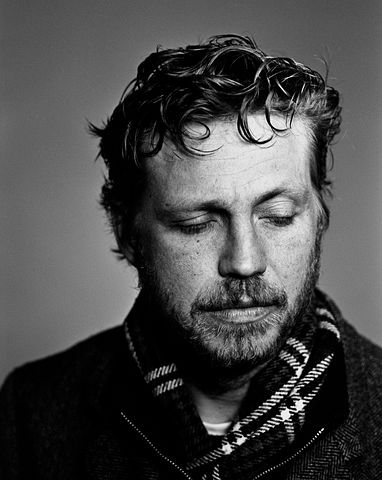 Depression is something that everyone experiences in their life time. There are a few different types of depression that are important to understand. Depression can be situational or more chronic and long lasting. Depression can come after the birth of a child for both the mother and the father. Depression that lasts for longer than a certain situation and is debilitating in life is often treated with traditional talk therapy and medication. Using both medication and counseling together will help you deal and cope in a healthy manner. I often have clients who come to therapy who refuse to use medications. I have a nurse practitioner colleague who tells me that she has clients come to use medications but often don’t want to participate in counseling.
When dealing with depression know that there is a way to make it better and to cope. Know that just because you are experiencing sadness or loneliness it doesn’t mean that you are bad or that you have done something wrong. Reach out to loved ones and possibly (if warranted) reach out to trained professionals. They can assess your situation and help you find the solutions that fit for you.
 Couples come into therapy years too late – according to research. I often hear of couples going to therapy after they have done so much damage to their relationship that it is difficult to repair. When couples call me to make an appointment for therapy they often tell me about their sad story about the last 10 years of a loveless, passionate-less, disconnected relationship. They long to get back to what they had when they first met. But after years of learning unhealthy habits to deal with relationship stress, it is a very long and steep road back.
There are several signs that you and your partner might need counseling. I will offer a few here:
- You are fighting more than usual
- Your fights are not being resolved and are just ignored or purposefully set aside
- Arguments last longer than before
- Your sex life has become passionate-less
- You feel like you are living with a stranger
- There is a start to or increase in addictive behavior (i.e., pornography, substances, problematic eating)
- Depression or anxiety seem more present for you or for your spouse
- Your ability to perform daily tasks is weakening (as is your desire to do them)
Getting help from a professional, reading a book, talking with someone who has your best interest at heart can start you on the road back. Most couples, however, wait too long and do too much damage along the way. Start by reaching out to a professional or picking up a book such as Dr. John Gottman’s Seven Principles for Making Marriage Work.
My wife and I had our first child 8 months ago. He’s awesome…and difficult. The adjustment to having children can be a major struggle for parents. Changing routines, sleep deprivation, life style alterations and the loss of certain coping strategies are among the difficulties during this time. As a testimony to this, its 1:55am as I’m writing this blog because our little one is awake! – It’s my wife’s turn to try and get him down.
Many in our community have suffered devastating consequences from this adjustment. You have probably heard of The Emily Effect. Postpartum Depression is a real and often unseen reality for many. Knowing how powerful it can be, understanding how to recognize it and respond is crucial. Withdrawal, anger, weight gain/loss, anxiety, guild, loss of interest, loss of appetite, difficulty bonding with baby, crying or irritability, insomnia, depression, fear, mood swings, panic attacks, lack of concentration or unwanted thoughts – to name several.
If you suspect that this might be happening to you or a loved one, remember that you are not alone. Speak out and speak up. There is no shame in feeling these things. Loving family and sometimes professional help will get you though.
Pornography has been called the ‘New Drug’, and rightfully so. Groups like Fight the New Drug have been working tirelessly to education people about the harmful effects of pornography. You might not need to read up on the latest research to know how damaging and painful it can be – whether it’s a personal struggle with pornography or your loved one who is using it.
Pornography use is often accompanied by shame. Shame is damaging. Guilt, on the other hand, is healthy. We need guilt, but don’t have to seek it out – it finds us. Guilt lets us know that we are doing something that is damaging to our body or soul. Guilt would say that, “I made a mistake, but I am still a good person’, Shame would say, “I made a mistake and therefore I am a bad person’. As a shame-based experience, pornography use goes beyond the physical act of using. It impacts our relationships, our ability to experience emotions in a healthy manner, our view and empathy towards others, and so much more.
What if you know that its unhealthy, but can’t seem to stop? Know that there is help. There are those around you that want to be there for you and would do anything to help. Depending on the severity of the pornography use, treatment is recommended. Without the aid of a professional, the road to recovery is difficult and sometimes seemingly impossible. My colleagues at the Center for Couples and Families often work with cases such as these.
At one point or another anxiety will impact you. Most of us have an experience with anxiety that makes us feel scared and stressed. Anxiety is the body’s emotional and physical response to a stressful situation or anticipation of a real or perceived difficult circumstance.
It’s important to understand that anxiety is largely a physical reaction to a real or perceived stressor. Calming your body down when anxious allows you to engage the coping skills you have at your disposal. When working with clients presenting with anxiety one of the first things we do is focus on techniques to cope through physical exercises such as diaphragmatic breathing or progressive muscle relaxation. After clients possess the skills to calm their bodies down when anxious, we are able to work on the emotional, relational and intellectual aspects of this difficult emotion.
Anxiety can often take the role of a secondary emotion – an emotion that presents itself as an attachment to your primary emotion. For example, if you are feeling sad, lonely, stressed overwhelmed you might get a general sense of anxiety. Knowing that anxiety is sometimes a secondary emotion helps you to know dig deeper to see what is really going on. Addressing the previous emotions in a specific and deliberate manner helps anxiety lessen.
I recently wrote this for the Utah Valley Health and Wellness Magazine.
Enjoy –
Whether in my role as a therapist, friend, business associate, or family member, I’ve been lucky to meet and associate with a wide assortment of personalities in Utah County and around the world. Though we may have different backgrounds and stories, I’ve noticed a troubling commonality that impacts most of us. We unknowingly send ourselves a subtle and potentially dangerous message – that of should and supposed to.
We tell ourselves, I should be nicer to my kids or I’m supposed to serve and help others. Many of us experience shame as we struggle with feeling that we should be doing more. It’s easy to feel like we are bad if we don’t measure up to the shoulds and supposed tos in our lives.
As a therapist, I often teach my clients to let go of this attitude by replacing should with want to. This helps us live a life we choose rather than one which is chosen for us. Helping another person because we want to feels different than helping them because we are supposed to. I counsel many to consider this idea: If you don’t want to do it then don’t do it.
What if, however, we don’t want to do something, but we still feel that it is healthy to do? Does this mean we don’t drive our kids to and from activities because we don’t want to? No! Our children can’t drive themselves. When facing tasks we don’t want to do that must be done, let’s embrace an attitude of wanting to want to.
The next time we hear ourselves say I should or I’m supposed to, let’s pause, take a step back and refocus on doing things because we want to do them, not because we feel obligated and forced.
I love that we can turn shoulds into want tos – let’s choose the life we live.
Dr. Triston Morgan
Licensed Marriage and Family Therapist
Executive Editor – Utah Valley Health and Wellness