 Every now and then, most of us feel down or blue – this is different than depression. Situational sadness comes and goes with whatever is getting us down. For example, if you don’t get recognized for something you worked hard at, you will probably feel sad. After time, your sadness will start to disappear. It isn’t as sad over time. This is situational. Depression, on the other hand, seems to last beyond these events. Even when something potentially sad has come and gone and if there is seemingly no reason to feel sad, you still might feel sad. This can especially be true in the winter. The days are shorter and colder. This causes most of us to stop moving as much, and to stay inside. We then lack exercise and sun light. On top of that, with the Halloween, Thanksgiving, Christmas and New Year’s, we tend to eat food that isn’t as healthy. We eat more sugar. This all contributes to feeling sad when we don’t seem to have anything to be sad about. Seasonal Affective Disorder (SAD) is what happens to many people during the winter months. Most people don’t realize they have this type of problem, they just think that they are down or blue. It is more than just having the ‘winter blues’. It impedes you in your daily life and interferes with your functioning. Recognizing that you have SAD will help you know what to do to overcome and let go of it. Some of the symptoms include: feeling sad, losing interest once enjoyed, change in appetite, change in sleep (usually sleeping more), loss of energy, restless activity, feeling worthless or guilty, trouble making decisions, and thoughts of suicide or death. If you think you might have this type of depression talk with a therapist today.
Sometimes the holidays hurt. When we have lost loved ones or when we are reminded of what we used to have, the holidays can turn from joyous to painful. During these times, it’s important to remember a few things. First, let the pain come in – embrace it. There is no need to try and hide from it or run. If we try to hide from it or ignore it, we often develop addictions to cover what we are feeling – ways to numb ourselves from uncomfortable emotions. In this numbed state, we don’t ever get to embrace and subsequently let go of painful emotions. It’s important to remember that in order to let go of something, we first have to have it (embrace it). Remember that these emotions come and go, they won’t stay with us forever. Second, find a way to honor your loved ones who have gone on or circumstances lost. I spoke with a friend once who had dealt with the loss of a job and a more abundant life. During times when this was more apparent, he was able to be grateful for the relationship he had and focus on enjoying them above all else. After having material possessions and different opportunities pass him by he realized what is most important as he put his life back together. As he did this, he was able to be grateful for past opportunities and current blessings. Third, some find comfort in having what I call ‘Present Mindedness’ – the ability to be in the moment. We let ourselves enjoy the here and now without stopping ourselves because we need to maintain anger or sadness from the past or from other current situations. We don’t have to punish ourselves – we deserve to be happy now.
Depression often comes with a stigma – some believe it’s all in your head or that all you have to do is ‘get over it’. Research and my experience as a therapist (and human!) disagree with these beliefs. Depression isn’t a choice. If it were, those suffering from it wouldn’t be depressed any longer. Understanding how depression is something that takes deliberate effort to combat and often professional help from a counselor is the first step towards happiness.
Depression is different than sadness that might occur in different situations. These situations, along with accompanying depression, come and go. Sadness isn’t something to fear or avoid. In fact, letting ourselves experience sadness helps us to live a full life. People often put themselves in an impossible situation when they try to avoid feeling sad because they think that sadness is bad and that they are bad for feeling it. This sentiment often resounds in religious settings where some would believe that they should just feel happy because of their beliefs. Learning how to embrace the uncomfortable emotions in life frees us to also feel the comfortable emotions as well (such as happiness). We can’t have one without the other. Trying to not feel sad is a recipe for addiction. It takes a strong substance – alcohol, work or pornography – to numb the feeling of sadness that comes to each one of us.
Embrace uncomfortable emotions and see how much more full and real your life becomes.
As a therapist in Provo Utah, I often work with clients in a faith crisis. They come to me wanting to leave their religion or try to understand what they have been taught through a different lens. One thing I work with them on, inevitably, is letting go of some of the culture (real or perceived) that can accompany religion – the culture of pressure to be perfect or to at least appear so. Working with them to understand how to hold on to what they believe while letting go of certain surface level cultural aspects of living in an area which is highly religiously homogeneous. This can be a difficult task given the pressure to conform and follow.
My suggestions to individuals in these circumstances is to do the following: Differentiate between your religions doctrine and the culture. Most people see these as different. Understanding the difference will help you embrace what you believe and let go of what can be damaging.
 Couples counseling, if done right, is ‘husband friendly’. Most couples come into therapy because the wife seeks help, sets up an appointment and convinces her husband to go with her. He often feels as if he is forced into the session and as if he is the bad guy. He might think that the therapist is going to be on his wife’s side and that together, his wife and the therapist, are going to tell him what he needs to change.
Effective couples counseling couldn’t be further from this scenario. In couple’s therapy, a therapist will see the problem as something the husband and wife can fight together. The problem isn’t the wife and it’s not the husband – it’s the way that they have been going about their relationship. This is something the couple can work on changing without blaming each other. Couples often fall into the trap of thinking that their spouse is to blame for their relationship issues. They believe that if their spouse would just stop (fill in the blank) that they would be happy and have no problems. Thinking this way leads to frustration and disappointment. It takes courage and honesty to look at yourself and what you can change to make your marriage work.
In couples therapy a seasoned therapist will ask questions about the couple’s relationship patterns, not about who’s fault it is that they are there. They will talk about how they are talking with each other, what they are talking about, what they are not talking about, etc. Understanding these relationship patterns is one of the first steps to effective counseling. As soon as the coupe can get on the same team to fight against these unhealthy patterns that they have slipped into as a partnership, then they can work on identifying their underlying emotional needs and potential injuries. This is where great work happens as partners identify and express their emotional need and positions in a way that invites healing, connection and safety.
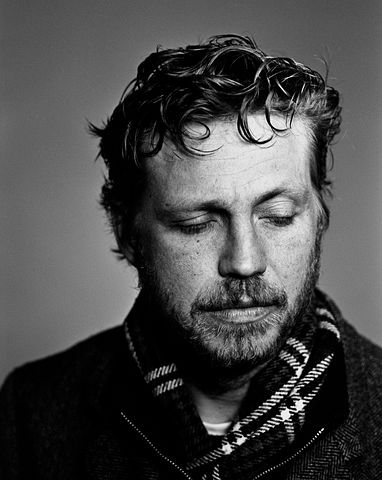 Depression is something that everyone experiences in their life time. There are a few different types of depression that are important to understand. Depression can be situational or more chronic and long lasting. Depression can come after the birth of a child for both the mother and the father. Depression that lasts for longer than a certain situation and is debilitating in life is often treated with traditional talk therapy and medication. Using both medication and counseling together will help you deal and cope in a healthy manner. I often have clients who come to therapy who refuse to use medications. I have a nurse practitioner colleague who tells me that she has clients come to use medications but often don’t want to participate in counseling.
When dealing with depression know that there is a way to make it better and to cope. Know that just because you are experiencing sadness or loneliness it doesn’t mean that you are bad or that you have done something wrong. Reach out to loved ones and possibly (if warranted) reach out to trained professionals. They can assess your situation and help you find the solutions that fit for you.
 Couples come into therapy years too late – according to research. I often hear of couples going to therapy after they have done so much damage to their relationship that it is difficult to repair. When couples call me to make an appointment for therapy they often tell me about their sad story about the last 10 years of a loveless, passionate-less, disconnected relationship. They long to get back to what they had when they first met. But after years of learning unhealthy habits to deal with relationship stress, it is a very long and steep road back.
There are several signs that you and your partner might need counseling. I will offer a few here:
- You are fighting more than usual
- Your fights are not being resolved and are just ignored or purposefully set aside
- Arguments last longer than before
- Your sex life has become passionate-less
- You feel like you are living with a stranger
- There is a start to or increase in addictive behavior (i.e., pornography, substances, problematic eating)
- Depression or anxiety seem more present for you or for your spouse
- Your ability to perform daily tasks is weakening (as is your desire to do them)
Getting help from a professional, reading a book, talking with someone who has your best interest at heart can start you on the road back. Most couples, however, wait too long and do too much damage along the way. Start by reaching out to a professional or picking up a book such as Dr. John Gottman’s Seven Principles for Making Marriage Work.
My wife and I had our first child 8 months ago. He’s awesome…and difficult. The adjustment to having children can be a major struggle for parents. Changing routines, sleep deprivation, life style alterations and the loss of certain coping strategies are among the difficulties during this time. As a testimony to this, its 1:55am as I’m writing this blog because our little one is awake! – It’s my wife’s turn to try and get him down.
Many in our community have suffered devastating consequences from this adjustment. You have probably heard of The Emily Effect. Postpartum Depression is a real and often unseen reality for many. Knowing how powerful it can be, understanding how to recognize it and respond is crucial. Withdrawal, anger, weight gain/loss, anxiety, guild, loss of interest, loss of appetite, difficulty bonding with baby, crying or irritability, insomnia, depression, fear, mood swings, panic attacks, lack of concentration or unwanted thoughts – to name several.
If you suspect that this might be happening to you or a loved one, remember that you are not alone. Speak out and speak up. There is no shame in feeling these things. Loving family and sometimes professional help will get you though.
I recently wrote this for the Utah Valley Health and Wellness Magazine.
Enjoy –
Whether in my role as a therapist, friend, business associate, or family member, I’ve been lucky to meet and associate with a wide assortment of personalities in Utah County and around the world. Though we may have different backgrounds and stories, I’ve noticed a troubling commonality that impacts most of us. We unknowingly send ourselves a subtle and potentially dangerous message – that of should and supposed to.
We tell ourselves, I should be nicer to my kids or I’m supposed to serve and help others. Many of us experience shame as we struggle with feeling that we should be doing more. It’s easy to feel like we are bad if we don’t measure up to the shoulds and supposed tos in our lives.
As a therapist, I often teach my clients to let go of this attitude by replacing should with want to. This helps us live a life we choose rather than one which is chosen for us. Helping another person because we want to feels different than helping them because we are supposed to. I counsel many to consider this idea: If you don’t want to do it then don’t do it.
What if, however, we don’t want to do something, but we still feel that it is healthy to do? Does this mean we don’t drive our kids to and from activities because we don’t want to? No! Our children can’t drive themselves. When facing tasks we don’t want to do that must be done, let’s embrace an attitude of wanting to want to.
The next time we hear ourselves say I should or I’m supposed to, let’s pause, take a step back and refocus on doing things because we want to do them, not because we feel obligated and forced.
I love that we can turn shoulds into want tos – let’s choose the life we live.
Dr. Triston Morgan
Licensed Marriage and Family Therapist
Executive Editor – Utah Valley Health and Wellness

It might seize you in the middle of the night, or perhaps at the beginning of a work meeting, or maybe while driving your kids to soccer practice. Wherever it happens, it can overwhelm you. Your mind won’t stop running. Your body is tense. Your heart is racing. You can’t breathe! You can’t relax and enjoy yourself. If you have ever felt a combination of these sensations, you have probably felt anxiety—a common experience among adults and adolescents. Whether you accept it or not, anxiety is part of a normal, healthy life. Diagnosable anxiety disorders, however, are different than normal, everyday anxieties. A hallmark characteristic of an anxiety disorder is excessive fear or anxiety about a real or perceived threat (DSM-V).
According to the Substance Abuse and Mental Health Services Administration (SAMHSA), nearly 40 million people in the United States suffer from an anxiety disorder in a given year. That’s 18 percent of the population! Specific anxiety disorders include generalized anxiety disorder, selective mutism (failure to speak in social situations even when able to speak in other situations), specific phobias (fear of animals, objects, etc.), social anxiety disorder, panic disorder, or agoraphobia (fear of having a panic attack or other embarrassing symptoms in locations such as public transportation, standing in a line, etc.). Some anxiety disorders, such as phobias and generalized anxiety disorder, most often begin in childhood around 11 years old and can continue into adulthood if left untreated. These two disorders are the most common anxiety disorders in adulthood according to SAMHSA.
Because of their belief that things will not change, or that they just need to get over it, many suffering with an anxiety disorder do not seek treatment. The good news is that anxiety is treatable! Your biology has a lot to do with an anxiety disorder; therefore, a first step in reducing anxiety includes dealing with the body’s physical response to stress.
Diaphragmatic Breathing
Your body’s internal organ regulator, your autonomic nervous system (ANS), has two applicable parts of the solution. First is the sympathetic nervous system (SNS), which is in charge of your fight-or-flight responses. This part, for example, pumps up the mailman’s body so she can outrun that dog hiding in the bushes. Second is the parasympathetic nervous system (PNS), which aids in calming your body. This part helps her body deescalate after she has escaped that dog so she can return to delivering the mail as usual.
When you feel anxious, your SNS is engaged. To help calm your body in these moments, the key is to activate your PNS. The exercise outlined below (partially adopted from The Anxious Brain: The Neurobiological Basis of Anxiety Disorders and How to Effectively Treat Them) triggers this part of your ANS.
How to do it:
- Lie down, stand, or sit in a comfortable position. Make sure you are “grounded” by creating an open posture with both feet on the floor and your back against a chair or bed. If you are crying, in the fetal position, or hunched over, this technique is difficult to do.
- Breathe in deeply. Picture a water balloon being filled with water as you first fill up your abdomen with air and then your chest. Feel the warmth and the weight of the air as you breathe in.
- Breathe out with an elongated breath—longer than it took you to breathe in. Purse your lips as you breathe out. This will slow your breathing. Breathing out slowly will help activate the PNS, which helps calm your body—the whole purpose of this breathing technique.
- As you breathe in and out, focus on the physical sensations you experience. Focus on your feet touching the ground, your abdomen and lungs expanding and contracting, the feel of air rushing over your tongue and through your pursed lips. Notice how your head, arms and hands feel. Doing this will help you be present and in-the-moment.
- Practice! This is a skill that must be developed. Try doing it while you are at work, stopped at a traffic light, or at home. Do each cycle (breathing in and breathing out) ten times or more, as you learn to engage your PNS.
- If you feel dizzy, light headed or out of breath, do not continue this technique. If your breathing is restricted or obstructed there may be other issues to consider. Speak with a therapist or doctor about the appropriateness of this exercise for you. This technique is a good start to help reduce anxiety in the moment, but is most successful when done in conjunction with therapy.
Anxiety disorders affect millions. Those who suffer with anxiety often feel there is no solution. But basic biology tells us differently. Activating our PNS through breathing techniques really does work—give it a try next time you feel anxiety creeping in. You might be surprised at how effective these simple breathing techniques can be!
Originally published on Utah Valley Health and Wellness Magazine
Written by Dr. Triston Morgan