 Couples often come into therapy for ‘communication problems’. As a therapist for the last decade, I have found that this means many things – depression, anxiety, affairs, pornography use, among other issues. Outside of Utah County, pornography use seems to be more acceptable, or at least, less talked about as an issue. Is use in other locations less, or merely seen differently? When I speak with couples, this is something that is very painful and difficult to understand and overcome. There is a tremendous amount of shame associated with use. As we work in counseling to overcome the addictive cycle, the spouse who is using has to learn to attach to their partner instead pornography. This attachment is key to recovery and future success in a relationship. John Bowlby, an early psychologist, helped define attachment theory over his career. He found that they attachment between a child and a parent is crucial to the child’s development. Likewise, the attachment between partners is also crucial. When couples are able to create a safe base or a safe haven, as Susan Johnson references in her Emotionally Focused Therapy work, they are able to be genuine and transparent with each other. They are able to show their imperfections to each other and be vulnerable and exposed because they know their spouse will accept and love them. This process is crucial to working with couples counseling for pornography use.
My spouse cheated on me – what do I do now? If you are asking this question you are probably going through a gauntlet of emotions, thoughts and questions. Many couples come to my office seeking help to make sense of and hopefully heal from infidelity. There is a process that most couples go through – common experiences that I can share here. Usually, during the process of the disclosure (or discovery) of an affair, the spouse who was cheated on feels something many have called ‘betrayal trauma.’ I often share with couples in this situation a metaphor. Imagine, I tell her, that you are driving in a truck in a convoy through a war zone. Out of nowhere a rocket blasts your truck after being shot from a nearby building. It throws you out of the truck and into the dirt. After almost being killed in this situation, many would develop PTSD – or acute trauma. They would come home from the war zone and start the process of healing – perhaps with family or friends or trained professionals. They would talk about how unsafe it was in the war zone and how they almost died there. They would start to rebuild their sense of safety where they stood at that point – which is back in their home neighborhood, safe and sound. With infidelity, the trauma a spouse feels looks different. Imagine, I tell her again, that you have just been thrown from your truck after that rocket levels it. After picking yourself up, you then go to the building that the rocket was shot out of, climb the stairs to the top floor and find the person who shot it. You find this person and tell them, “I’m glad I found you. I need a hug from you. That was scary and I almost died – I’m glad you didn’t kill me.” The very person who almost killed them is the very person they go to for safety and reassurance and healing. This is what it is like to be the spouse of someone who is unfaithful. Going through this process is difficult and confusing. Betrayal trauma is something that needs to be understood and specifically addressed in order to heal.
Effective pornography treatment often includes family members. As I have worked with hundreds of individuals struggling with pornography use over the years, I have found that those who have loving, supportive family members often have better outcomes. For example, couples therapy is often a good place for you to learn how to connect with others instead of checking out or numbing through pornography use. This is a difficult thing to do because your spouse is someone who has the power to reject you in a way that can really hurt. It is hard to be vulnerable in these circumstances because of this fear of being hurt or rejected. It is also difficult because you are also working to heal the pain your spouse feels because of your pornography use.
One thing that you need is someone to be a ‘real’ person to you. Pornography is a fantasy world where there are no consequences and where other people’s emotions don’t matter. This is why couples therapy is so important – your spouse becomes more real to you as you let her describe and share her pain with you. She becomes more real to you as she is someone who your actions impact. She becomes more real to you as her experience is just as important as yours. A husband can turn their wife into pornography by not letting her be real – discounting her experience and not asking to hear it. A wife, inadvertently, can turn herself into pornography for her husband by thinking that she doesn’t want to stress her husband out by telling him about her feelings and therefore doesn’t say anything even though she is hurting.
Consider the impact that working with your spouse can have on your recovery from pornography use. As difficult as it is to face these issues, it’s a crucial part of your progress.
I am often asked the question, “Do I need medication?” As a counselor in Utah County, I work with couples, families, individuals suffering from depression, anxiety, pornography use, drug and alcohol use and other issues – all of which might need medication at some point. As a counselor, I am not trained to prescribe medication or do medication management, however, I often collaborate with practioners (i.e., MD’s, nurse practioners) who are. Together we are able to help many individuals overcome anxiety or depression. Talk therapy (couples counseling or individual therapy) and medication are often a good combination to combat the issues that bring most people into therapy.
My colleagues who prescribe medications often tell me how medications act like crutches. They aren’t meant for long term use or to be a ‘fix-all’, but rather, they are meant to give support so that an individual can gain strength. Once strong enough, the crutches are discarded and the individual moves on under their own power.
So, when clients ask if medication is warranted, I refer them to someone trained in this type of treatment. Medication is not always the answer, but there are times when it is best practice, however, to use medication and traditional talk therapy together (i.e., Bipolar disorder treatment). I refer them to see an MD, psychiatrist or nurse practioner. I encourage them to meet with someone who does Genetic testing for medications. This is a method where an individual submits a DNA sample which is sent to a lab for testing. The results show the individual and prescribing professional which meds are most likely to work with the individuals genetic structure (usually for anxiety or depression medications). My nurse practitioner colleague tells me that this ‘takes the guess work out of medication management’. Given that the typical experience for individuals trying medications is months of trial and error, this is a relief to many.
Depression often comes with a stigma – some believe it’s all in your head or that all you have to do is ‘get over it’. Research and my experience as a therapist (and human!) disagree with these beliefs. Depression isn’t a choice. If it were, those suffering from it wouldn’t be depressed any longer. Understanding how depression is something that takes deliberate effort to combat and often professional help from a counselor is the first step towards happiness.
Depression is different than sadness that might occur in different situations. These situations, along with accompanying depression, come and go. Sadness isn’t something to fear or avoid. In fact, letting ourselves experience sadness helps us to live a full life. People often put themselves in an impossible situation when they try to avoid feeling sad because they think that sadness is bad and that they are bad for feeling it. This sentiment often resounds in religious settings where some would believe that they should just feel happy because of their beliefs. Learning how to embrace the uncomfortable emotions in life frees us to also feel the comfortable emotions as well (such as happiness). We can’t have one without the other. Trying to not feel sad is a recipe for addiction. It takes a strong substance – alcohol, work or pornography – to numb the feeling of sadness that comes to each one of us.
Embrace uncomfortable emotions and see how much more full and real your life becomes.
Pornography use often leaves the user feeling empty and shameful. To deal with this shame of using in the first place, they might actually use pornography again to numb themselves. This vicious cycle is played out within minutes of each other or within days, even weeks of each other.
I am often asked by spouses of pornography users one simple and somewhat complex question, “Why can’t they just stop using?” They tell me that they know that their spouse see’s how it hurts them and how it is ruining their lives and relationships. After a husband talks about his remorse about using pornography, a wife will often follow up with, “Then just stop it”. It isn’t this simple, however. Studies have shown the impact that pornography use has on an individual’s brain chemistry. Some would say that the brain and the person become hijacked – causing them to act in ways that they wouldn’t normally act. This is the same phenomenon that would cause a grandson to steal his grandmothers wedding ring to sell for drugs. You are not yourself, seemingly. The cycle of pornography use doesn’t make sense to those who are in it and doesn’t make sense to their loved ones.
Fight the New Drug is an organization who educates the public on the harmful effects of pornography. You will find a lot of good resources to understand this addiction. Strangely enough, it is somewhat a controversial addition. It is not included in the DSM-V (the big book of mental health disorders decided on by experts throughout the country). Educate yourself so that you can make a little more sense of it. A good counselor will also be able to help you understand the nature of this addiction as they work with you and your loved one. As a therapist in Provo Utah, I often see clients in these situations. I have several colleagues at the Center for Couples and Families that are experts in this area of treatment as well.
Secrets fuel addiction. As I’ve mentioned before in previous posts, addictions, such as pornography addictions, are a shame based experience. This means that when someone uses pornography they feel as if they are a bad person, rather than feeling that they are a good person despite making a mistake. When someone feels shame, they often compartmentalize what they have done – they hid it and separate it from who they think they really are, or, think that that mistake totally defines who they really are.
This is where secrets come into play. Over time, a man (or woman – I’ve worked with both in therapy for pornography issues) who has been using pornography and feeling shame because of it will gather many secrets. He won’t want to tell anyone what he is doing, or won’t want to tell them all that he is doing. He might only present the best parts of himself or just tell enough about his mistakes to others to appease them or to feel like he is being open. But, in fact, he is keeping secrets. These secrets start to bury him and make him feel more shame. They take effort to maintain and keep hidden. They cause him stress and to feel disconnected from others. All of these things can lead to more addictive acting out.
Being transparent is key. This, in part, is why in the 12-step model of recovery (for alcohol, sexual addiction or substance addiction) addicts are asked to write a fearless moral inventory and to share it. Being open with others can feel uncomfortable and embarrassing. Many would say, “It’s in the past – let it stay there” or, “I don’t want to hurt her, so I’m not going to tell her about it”. These mindsets only make things worse for someone using pornography and their spouse/family. Telling others and being transparent is on the path towards recovery.
Pornography counseling offers a venue to be transparent and honest with yourself and with your loved ones. A good therapist will help you through this process in a way that might be painful, but certainly not shameful.
Family therapy is an effective way to deal with problems regarding adolescents, parenting, addiction, depression, anxiety and much more. When a mother and father bring in their 15-year-old son because he is drinking, using drugs, has a bad attitude, is failing out of school and is involved in risky behavior – I ask the parents to participate in counseling with him to be a part of the solution. The relationship between mom and dad, the relationship between mom and son and the relationship between dad and son matter in regard to this young man’s healthy life style choices. As a therapist of adolescents for over a decade now, I have found that more often than not, when success happens for adolescents in therapy it is accompanied with a mom and dad who are involved and willing.
Most adolescents don’t want to do counseling. They often make excuses and say that they don’t want to follow the rules and that f their parents loved them that they wouldn’t give them a curfew. The ironic thing is that children push back against boundaries and rules, but thrive within them. They need them to feel safe and loved. They often test the boundaries to see if mom and dad are there and if they care. Its hard to tell, however, because they say that they don’t want their parents to tell them what to do.
One of the developmental tasks of adolescence is to learn how to become your own individual while still remaining a part of a group (i.e., a family, church or school). It often feels like trying to mix oil and water for teenagers in this position. Learning that they don’t have to do the opposite of what their parents say in order to be independent or their own individual is key. Rather, following the family rules and making choices on their own that are complimentary help them develop their sense of being their own person.
One of the developmental tasks of parenthood is learning how to parent a child differently as they grow. Parenting a 5 year old is different than parenting a 15 year old. I see, however, many parents not making this transition and feeling stuck with their adolescent. They hover over their teenager, for example, in an effort to not let them make mistakes. Its ok for teenagers to make mistakes. Parents don’t have to (and can’t!) protect them from all of life misfortunes. Teenagers need space to make mistakes and have an open relationship with their parents to talk about them.
So, if you are a parent struggling with a teenager remember that changing your parenting style to match their age matters. Engaging in therapy, when needed, can help you and your child become healthy and happy.
 Couples counseling, if done right, is ‘husband friendly’. Most couples come into therapy because the wife seeks help, sets up an appointment and convinces her husband to go with her. He often feels as if he is forced into the session and as if he is the bad guy. He might think that the therapist is going to be on his wife’s side and that together, his wife and the therapist, are going to tell him what he needs to change.
Effective couples counseling couldn’t be further from this scenario. In couple’s therapy, a therapist will see the problem as something the husband and wife can fight together. The problem isn’t the wife and it’s not the husband – it’s the way that they have been going about their relationship. This is something the couple can work on changing without blaming each other. Couples often fall into the trap of thinking that their spouse is to blame for their relationship issues. They believe that if their spouse would just stop (fill in the blank) that they would be happy and have no problems. Thinking this way leads to frustration and disappointment. It takes courage and honesty to look at yourself and what you can change to make your marriage work.
In couples therapy a seasoned therapist will ask questions about the couple’s relationship patterns, not about who’s fault it is that they are there. They will talk about how they are talking with each other, what they are talking about, what they are not talking about, etc. Understanding these relationship patterns is one of the first steps to effective counseling. As soon as the coupe can get on the same team to fight against these unhealthy patterns that they have slipped into as a partnership, then they can work on identifying their underlying emotional needs and potential injuries. This is where great work happens as partners identify and express their emotional need and positions in a way that invites healing, connection and safety.
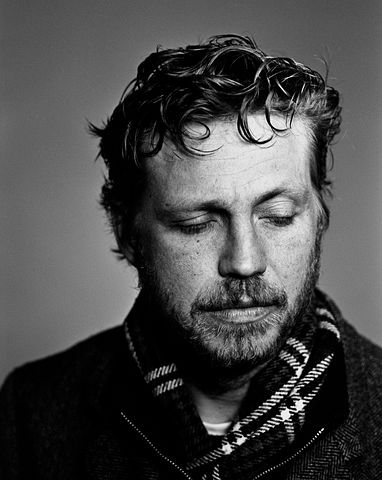 Depression is something that everyone experiences in their life time. There are a few different types of depression that are important to understand. Depression can be situational or more chronic and long lasting. Depression can come after the birth of a child for both the mother and the father. Depression that lasts for longer than a certain situation and is debilitating in life is often treated with traditional talk therapy and medication. Using both medication and counseling together will help you deal and cope in a healthy manner. I often have clients who come to therapy who refuse to use medications. I have a nurse practitioner colleague who tells me that she has clients come to use medications but often don’t want to participate in counseling.
When dealing with depression know that there is a way to make it better and to cope. Know that just because you are experiencing sadness or loneliness it doesn’t mean that you are bad or that you have done something wrong. Reach out to loved ones and possibly (if warranted) reach out to trained professionals. They can assess your situation and help you find the solutions that fit for you.